
Tag: learn Korean
-

Korean with my language exchange friend EP.9
Ep.9: Talking About Being Sick In this episode, both Jihoon and Emily aren’t feeling well and share their symptoms. You’ll learn Korean expressions to describe sickness, pain, and comfort someone naturally. 1. Dialogue by Topic 🤒 Talking About Being Sick 1. Feeling Unwell Jihoon: 몸이 안 좋아요.Jihoon: I don’t feel well. Emily: 어디가 아파요?Emily: Where…
-
Korean with my language exchange friend EP.8
Ep.8: Talking About School and Work In this episode, Jihoon talks about his life as a university student, and Emily shares about her job. You’ll learn everyday expressions that are useful both in school and in the workplace. 💬 1. Dialogue by Topic 🏫 School (Jihoon 중심) 1. Class Emily: 지훈 씨, 오늘 수업 어땠어요?Emily:…
-

Basic Korean Sentence Structure
Korean usually follows a Subject–Object–Verb (SOV) order (English is SVO). The predicate (verb/adjective) normally comes at the end. Because Korean uses particles (이/가, 을/를, 은/는), word order can shift for nuance, and subjects/objects are often omitted when clear from context.(Particles themselves will be explained in a separate post.) 1) Sentence Components (문장의 구성 요소) A.…
-

Korean Expressions About Work
Introduction Work and career are a big part of daily life, and Korean has a wide range of words and expressions to describe different aspects of it. From basic concepts like “일 (work)” to workplace culture and ranks, knowing these words will help you understand conversations at the office, in part-time jobs, or even in…
-
Korean Expressions for Feelings
Introduction Emotions are an essential part of communication, and Korean provides a rich vocabulary to describe them. From joy and excitement to sadness and disappointment, each word reflects subtle differences in how people feel. This guide introduces 100 Korean expressions for emotions, divided into eight categories. Each entry includes an English explanation with Korean example…
-
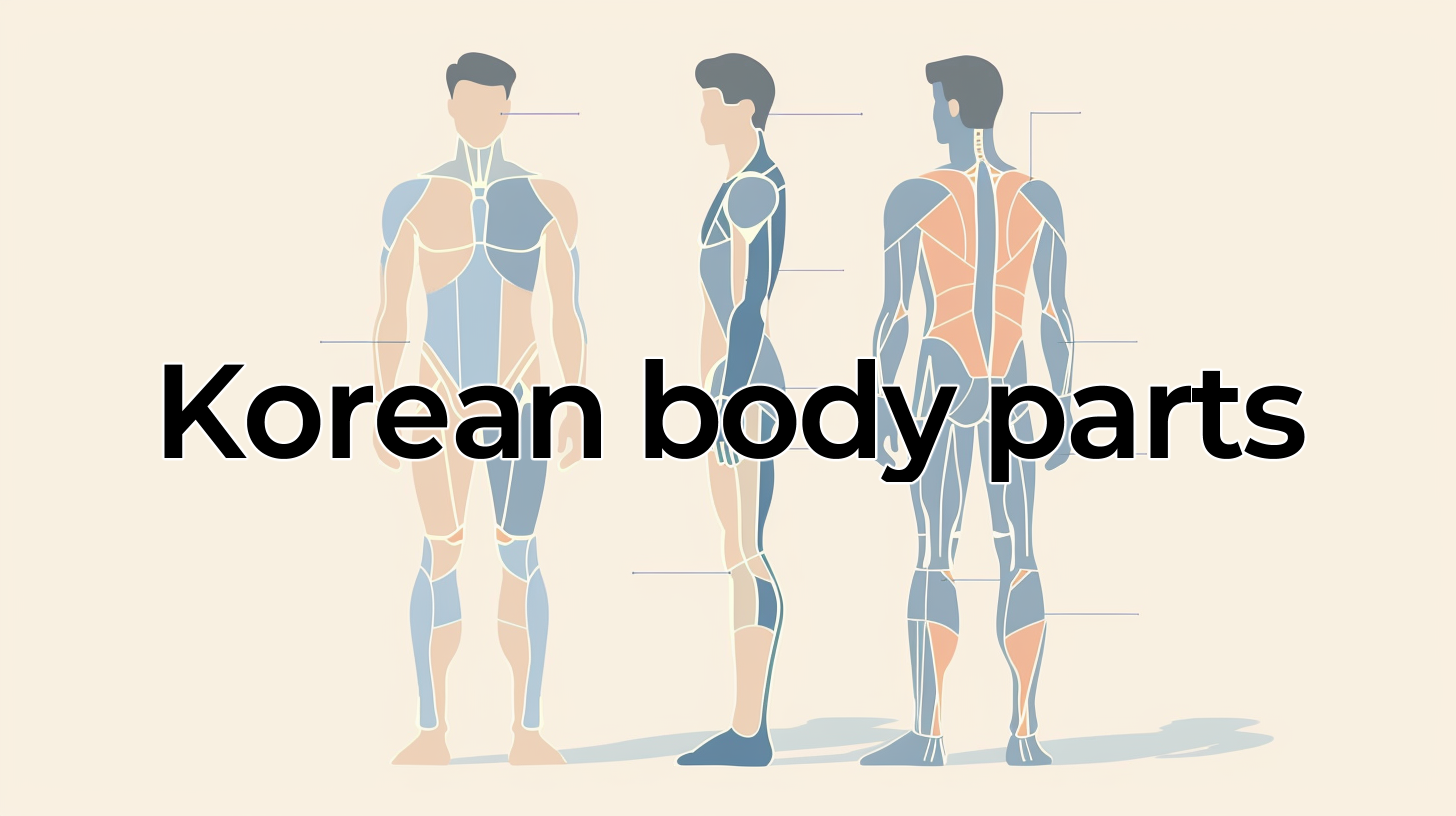
Korean Words for Body Parts
1. Head & Face (머리와 얼굴) Head (머리) Face (얼굴) Eyes (눈) Nose (코) Mouth & Lips (입과 입술) Ear (귀) 2. Upper Body (상체) Fingers (손가락 세부) 3. Lower Body (하체) 4. Hair & Body Hair (머리카락과 체모) 5. Face Features & Skin (얼굴 특징과 피부) ✅ Example Sentences: Check out related posts
-
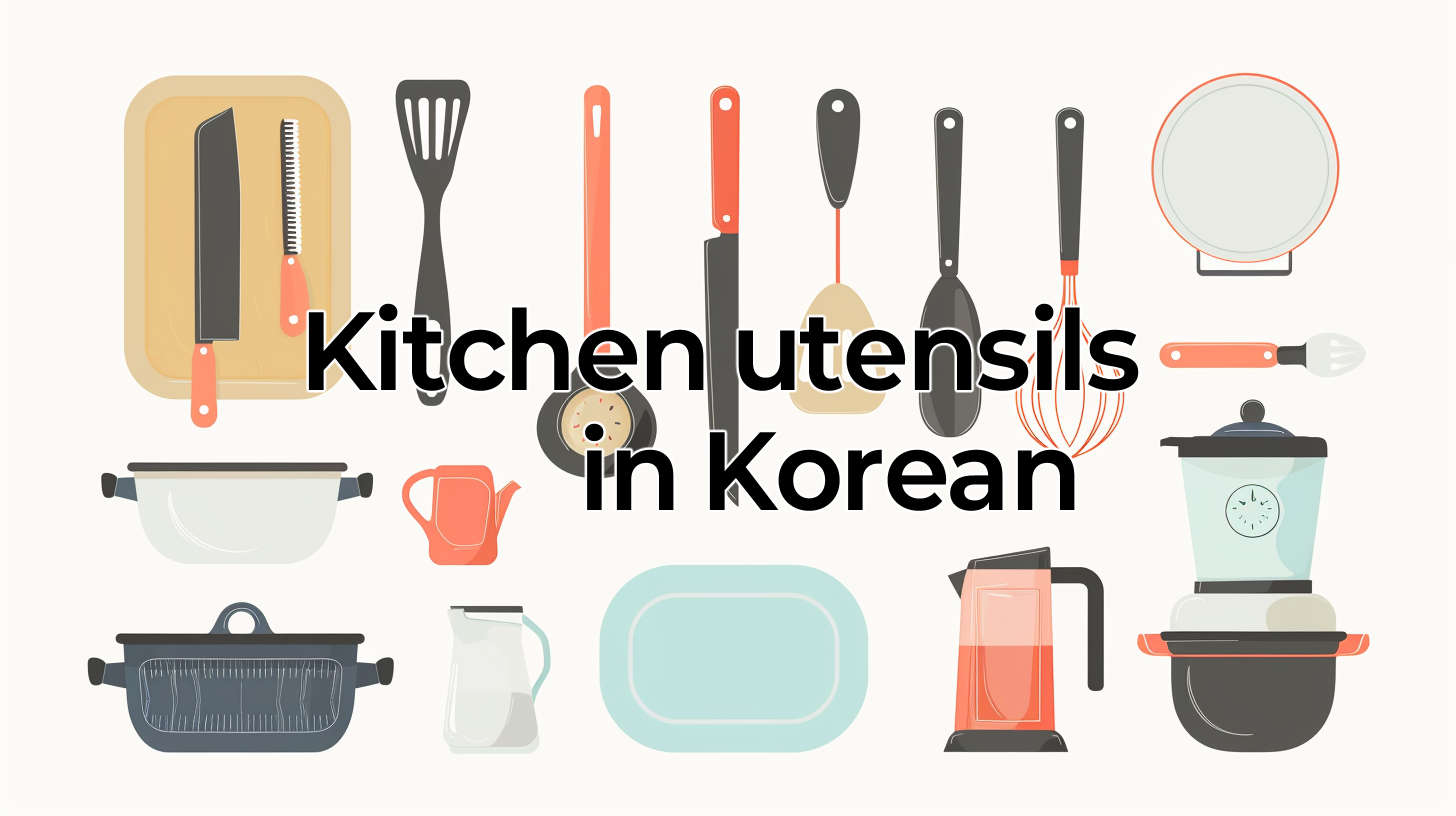
Korean Cooking Utensils – Complete Guide
Learning the names of cooking utensils in Korean is very useful if you want to follow Korean recipes or work in a Korean kitchen. Below is a comprehensive list of modern kitchen tools, organized by category. 1. Cutting & Preparation Tools 2. Measuring Tools 3. Pots & Pans 4. Stirring & Serving Tools 5. Grinding…
-

Korean Vocabulary: Electronic Devices
In Korean, 전자 제품 (jeonja jepum) means “electronic devices or appliances.”Here is a complete list of common electronic devices categorized for easy learning. 1. Essential Household Electronics (집에서 꼭 필요한 전자 제품) 2. Kitchen Appliances (주방 가전) 3. Cleaning Appliances (청소 관련 전자 제품) 4. Personal Electronics (개인용 전자 제품) 5. Office & Study Devices…
-

Korean Furniture Vocabulary: Essential Guide
When learning Korean, furniture words are super practical—you’ll use them when describing your home, shopping, or giving directions. This guide organizes the most useful items by room, with simple example sentences in Korean and English. At the end, there’s a bonus list of bathroom fixtures (not furniture, but good to know). 1) General Essentials (어느…
-

How to Talk About Days in Korean
1. Basic Day Expressions ✅ Example: 2. Native Korean Counters (including “몇”) 👉 Note: 이레, 여드레, 아흐레 are rarely used today. People usually say 일주일 (칠 일), 팔 일, 구 일 instead. But in practice, 일주일 is the natural and common choice. ✅ Example: 3. Period and Time Expressions ✅ Example: 4. Weeks, Months, Years,…