
Tag: Korean language learning
-

Korean 사잇소리 현상 and 사이시옷
Introduction In Korean compound nouns, the sound at the boundary often changes. This is called 사잇소리 현상. The important point is that the ㅅ (사이시옷) in spelling does not create the sound; it is only a way to represent part of this phenomenon in writing. The sound change itself happens naturally to make words easier…
-
Honorifics in Korean (존댓말 vs 반말, 압존법)
Korean politeness isn’t only about –요 / –습니다 or age. It’s a layered system that combines: A. Three ways Koreans show politeness 1) Raising the other person’s actions Use honorific predicates (often with –시–) when the respected person is the subject. 2) Raising things related to the other person Honorific nouns/titles for their family, belongings,…
-
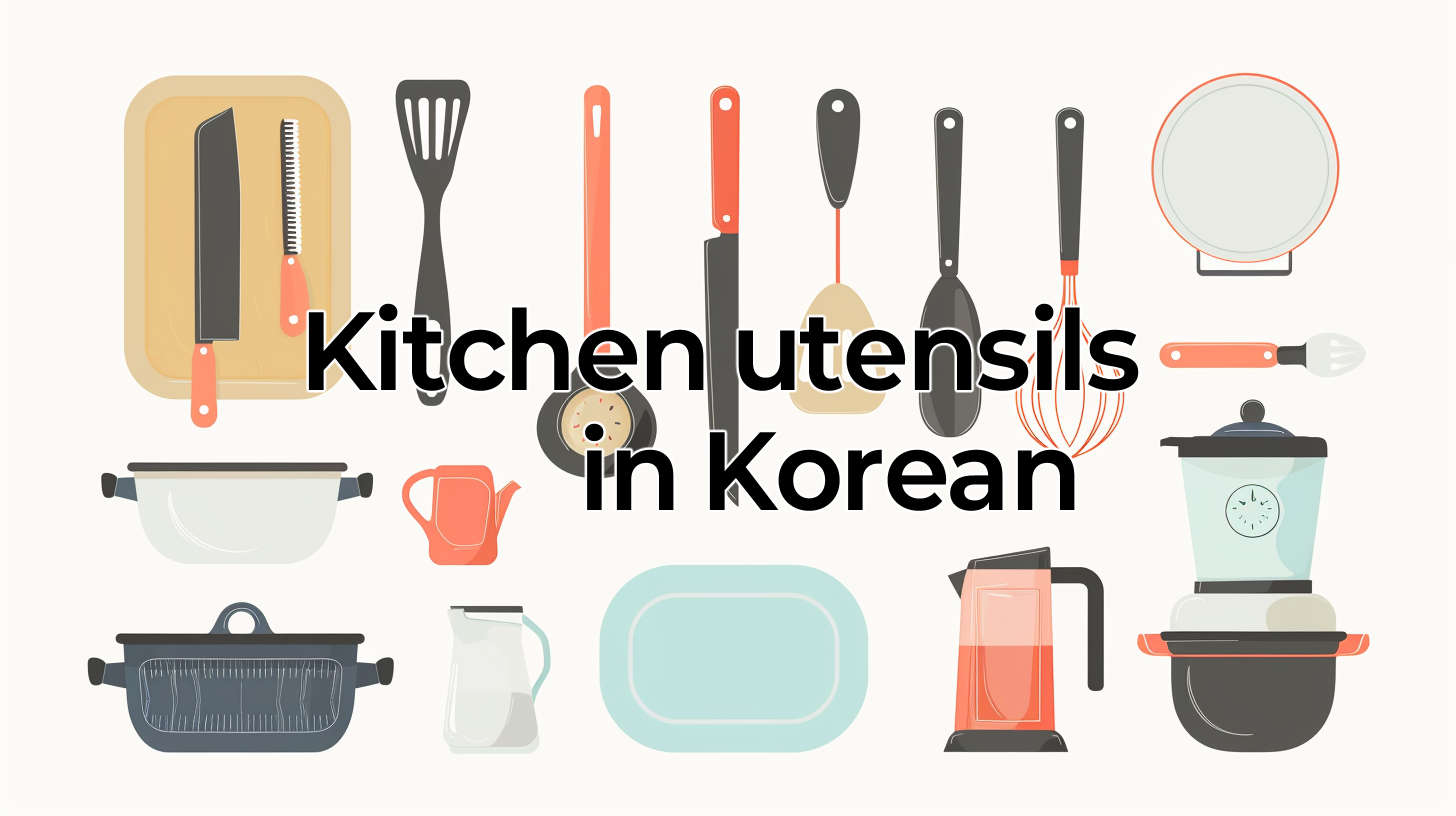
Korean Cooking Utensils – Complete Guide
Learning the names of cooking utensils in Korean is very useful if you want to follow Korean recipes or work in a Korean kitchen. Below is a comprehensive list of modern kitchen tools, organized by category. 1. Cutting & Preparation Tools 2. Measuring Tools 3. Pots & Pans 4. Stirring & Serving Tools 5. Grinding…
-

How to Read Hangul: From Creation to Real Pronunciation
Hangul (한글), the Korean writing system, is one of the most logical and learner-friendly alphabets in the world. In this guide, you’ll not only learn how Hangul is structured and pronounced, but also discover hidden pronunciation rules that native speakers often use without realizing. If this guide feels too complicated for you, I have a…
-

How Koreans Talk About Age – Expressions, Titles, and Cultural Norms
In Korean culture, age isn’t just a number — it determines how people address each other, what language form they use, and the hierarchy in social settings. From the first introduction to close friendships, age influences it all. 1. Asking and Telling Age In casual speech, you can drop “살”:스물이에요. — I’m 20. 2. Talking…
-
은/는 vs 이/가 – Key Differences and Usage in Korean
If you’re learning Korean, you’ve probably seen 은/는 and 이/가 used in similar sentences. While both are subject markers, they have different meanings and functions. Understanding when to use each will help you sound more natural in Korean conversations. 1. “은/는” – Topic Marker 은/는 is used to introduce or emphasize the topic of a…