
Tag: Korean language
-

Korean with my language exchange friend EP.9
Ep.9: Talking About Being Sick In this episode, both Jihoon and Emily aren’t feeling well and share their symptoms. You’ll learn Korean expressions to describe sickness, pain, and comfort someone naturally. 1. Dialogue by Topic 🤒 Talking About Being Sick 1. Feeling Unwell Jihoon: 몸이 안 좋아요.Jihoon: I don’t feel well. Emily: 어디가 아파요?Emily: Where…
-
Korean with my language exchange friend EP.8
Ep.8: Talking About School and Work In this episode, Jihoon talks about his life as a university student, and Emily shares about her job. You’ll learn everyday expressions that are useful both in school and in the workplace. 💬 1. Dialogue by Topic 🏫 School (Jihoon 중심) 1. Class Emily: 지훈 씨, 오늘 수업 어땠어요?Emily:…
-
Korean Expressions for Feelings
Introduction Emotions are an essential part of communication, and Korean provides a rich vocabulary to describe them. From joy and excitement to sadness and disappointment, each word reflects subtle differences in how people feel. This guide introduces 100 Korean expressions for emotions, divided into eight categories. Each entry includes an English explanation with Korean example…
-
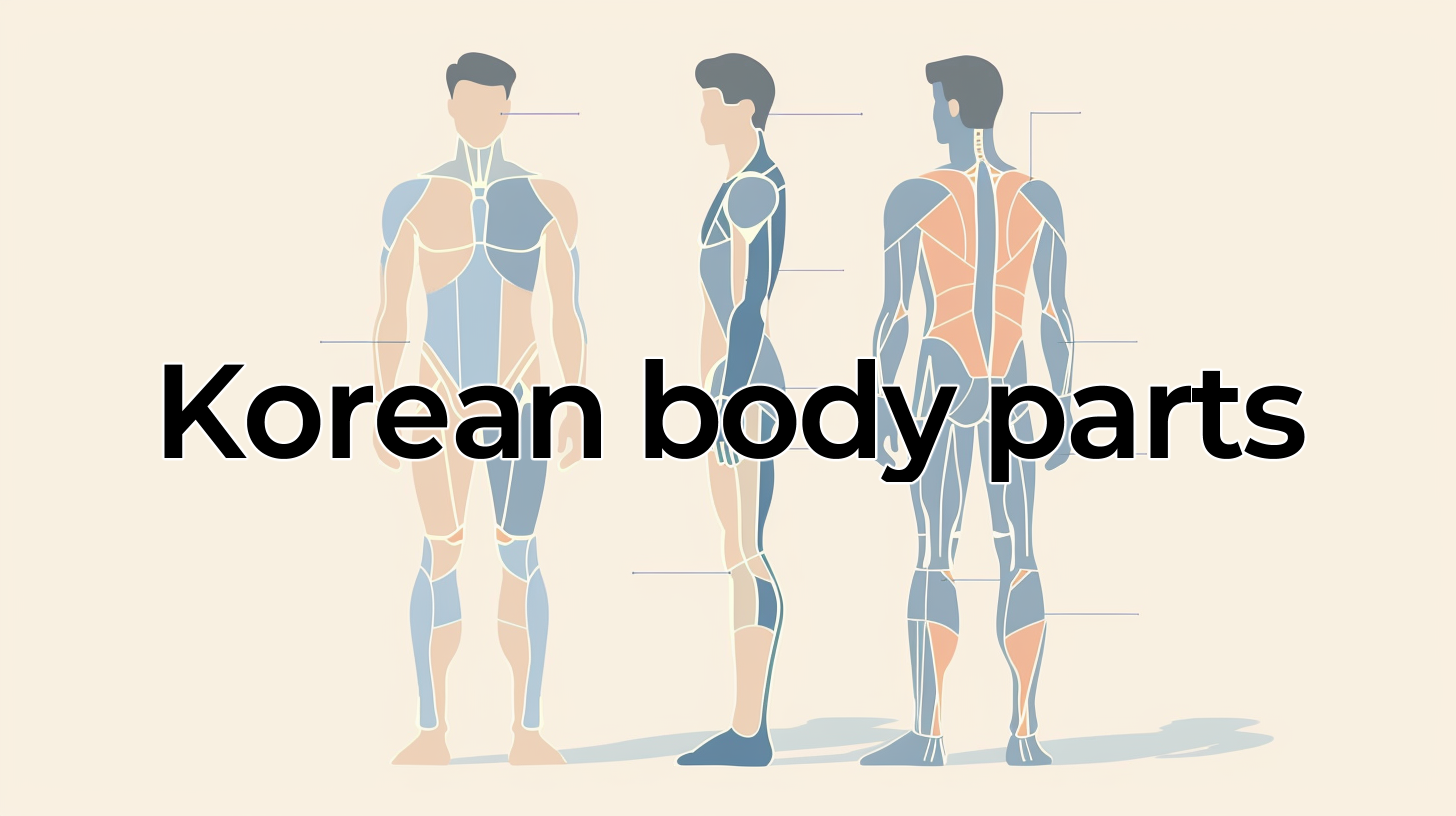
Korean Words for Body Parts
1. Head & Face (머리와 얼굴) Head (머리) Face (얼굴) Eyes (눈) Nose (코) Mouth & Lips (입과 입술) Ear (귀) 2. Upper Body (상체) Fingers (손가락 세부) 3. Lower Body (하체) 4. Hair & Body Hair (머리카락과 체모) 5. Face Features & Skin (얼굴 특징과 피부) ✅ Example Sentences: Check out related posts
-
Guide to Korean Expressions for Taste, Smell, and Texture
Introduction Korean has a remarkably rich set of words to describe flavor, aroma, and texture. These expressions go far beyond “sweet” or “salty.” They can capture subtle differences in food, especially meat, and are even extended metaphorically to describe emotions and experiences. By learning these expressions, Korean learners can vividly talk about food and also…
-
Korean Family Titles Explained
I will explain Korean family titles divided into four levels: basic everyday terms, in-law terms, extended relatives, and rare complicated ones. 1. Basic Family Titles (Everyday Use) 2. In-Law Titles (Marriage Related) 3. Extended Family (Common but Less Basic) 👉 These terms are often used in family gatherings and are good to know for real-life…
-

Korean Weather Expressions
In Korean, weather expressions go beyond just sun and rain—they capture subtle emotional tones and natural details. This comprehensive guide covers the most commonly used weather expressions, grouped by topic. You’ll find both casual and forecast-style terms, along with English explanations and example sentences. 1. Sky and General Weather Conditions 2. Rain-Related Expressions 3. Snow-Related…
-

16 Korean Expressions for Hunger – From “A Bit Peckish” to “Absolutely Starving”
In Korean, expressing hunger isn’t just about saying “I’m hungry.” Whether you’re just a little peckish, craving something specific, or about to pass out from hunger, there’s a perfect phrase for it. From everyday expressions to funny idioms, here are 16 Korean ways to talk about hunger—in every mood and situation. 1. 배고프다 / 배가…
-

손이 크다, 발이 넓다, 마당발. Korean Idioms Explained with Examples
Korean is full of fun idiomatic expressions that use body parts to describe personality or social behavior. Three popular ones you’ll hear often are: Let’s break down what each one means, how it’s used, and some natural example sentences to help you understand these expressions in real life! What Does 손이 크다 (son-i keuda) Mean?…
-

What Does “Aigo (아이고)” Mean? Context, Usage & Audio Examples 🎧
What is the meaning of aigo? – “아이고” (Aigo) is a commonly used Korean exclamation that expresses a wide range of emotions, including surprise, concern, fatigue, joy, frustration, and sympathy. It’s often heard in everyday Korean conversations, from young people to elders. Why did I choose “Aigo” as my blog’s name? Well, because it’s one…